

Education-Related Values: How to Build Character & Ethics in Our Youth
A Practical Guide for Parents, Teachers, and Educators Excited to Make a Difference
"If Value Education is important to you—here are some guidelines to help guide the child or student without lecturing or interrogating."
Building moral values like honesty, generosity, gratitude, trust, and respect in our children and students is one of the most vital responsibilities of education. However, conventional lecturing often fails to produce real character growth.
Consider this a practical piece of information from someone whose signature proudly says: Excited to be a teacher.
Some Essential "Don'ts" First
-
Avoid lectures—especially during or immediately after the act:
If your daughter or student tells a lie (e.g., "I am absent because of sickness"), 'now' is not the time to lecture her on the importance of honesty. Just accept her statement calmly by saying something like "fine" and address the value later when calm. -
Avoid "Why" questions:
"Why" questions are interrogative and nobody likes being interrogated. In any case, the child typically gives an explanation or excuse, which may even give them the illusion of justification for their act. "Why" questions rarely lead to positive actions. Consider: "Why did you lie?" or "Why did you not share?" Notice how defensive they make someone feel. -
Avoid discussing the child's/student's act in front of others:
Even both parents discussing it in front of the child ("You know what your son did today...") causes extreme embarrassment and stress. This typically closes the child to further listening. Discuss the issue in private, decide on a strategy, and follow the same course. If you disagree on the action, let one take over while the other acts ignorant. -
Avoid lousy labeling:
Avoid terms like "dishonest," "uncaring," "unreliable," "immature," or "unfair." Lousy labeling the child is like character tagging—it closes the child for further improvement, doing the exact opposite of what we intend.
✔ Always lousy label the behavior, not the child: (e.g., "What you said to me was a lie" or "How you pushed him was unfair").
✔ Lovely label the child: When they show the behavior you desire, praise their character! (e.g., "You told me the truth, you're honest!").
5 Steps to Actively Develop Any Moral Value
- 1. Pre-decide core values: Consciously choose a set of values you want to work on (e.g., honesty, generosity, gratitude, trust, respect).
- 2. Connect to past experiences: Make the student aware of the value through their past actions (e.g., "When you told me correctly that you had spilled it, you were being honest").
- 3. Demonstrate and talk through actions: Frequently demonstrate the value through your own behavior and talk through it (e.g., "I am going to tell you the truth—we really like this puzzle—and trust that you will play by yourself so we can all enjoy it").
- 4. Discuss values when opportunities arise: Spark exploration during quiet moments (e.g., "Why do you think it was important for me to tell you the truth at play? What if I had told you a lie?").
-
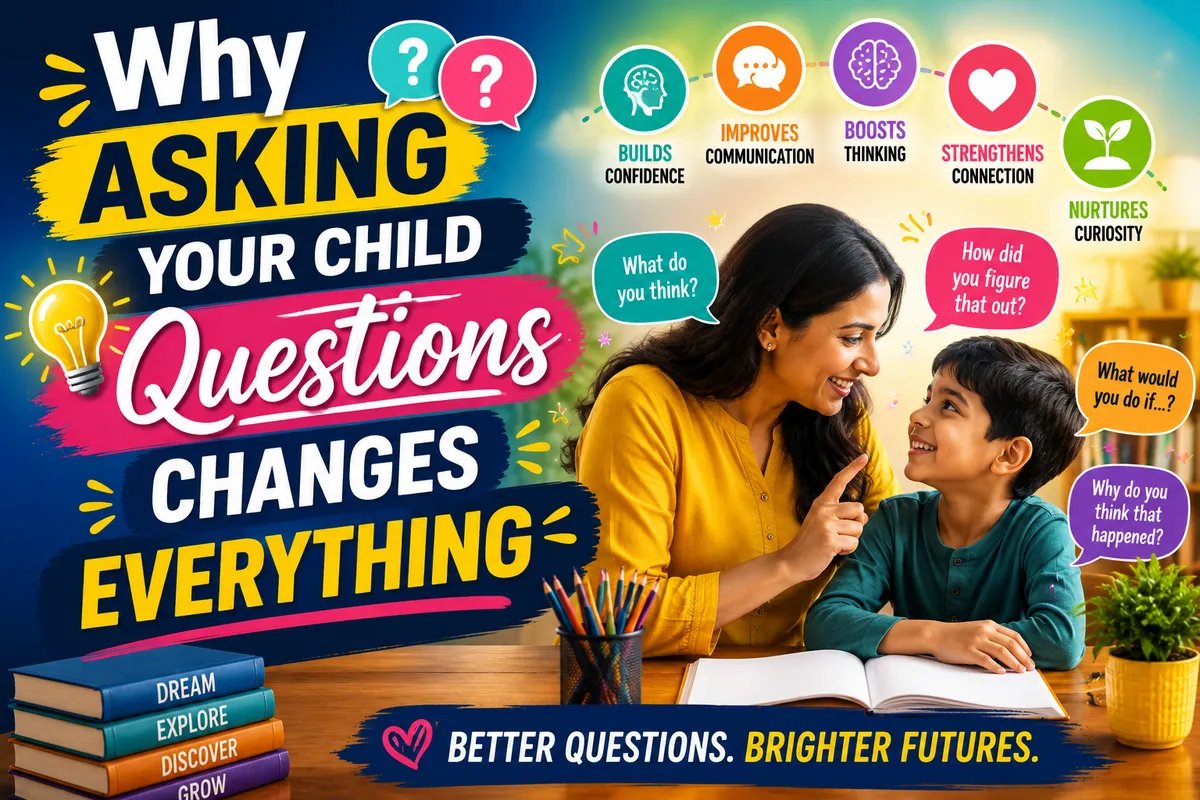
5. Explore immoral behavior later using "What" questions: If a child shows immoral behavior (say telling a lie), discuss the incident much later when you and the child are emotionally in rapport (e.g., bedtime). Replace "Why" with "What":
- "In what ways did telling this lie help you?"
- "In what ways can it cause harm?"
- "What are the alternatives?"
Remember: We are not lecturing the child. We are, through careful questioning, letting the child explore, on his own, the value and its importance in his life.
Value Education & Analytical Mindset in Competitive Exams
At Anil Nair Classes (ANC), we know that true education isn't just about memorizing shortcuts. Whether preparing for CAT, SSC CGL Tier 1 & Tier 2, Bank PO/Clerk (SBI/IBPS), or Police SI & Constable exams (TSLPRB & APSLPRB), critical thinking and emotional maturity are critical:
- Self-Honesty in Mock Analysis: Students who honestly evaluate their weak spots in Quantitative Aptitude and Logical Reasoning improve exponentially faster than those who give excuses for failure.
- Exploring "What" Over Blind Formulae: Just as value education encourages asking "What are the alternatives?", mastering Speed Math, Algebra, and Data Interpretation requires exploring multiple concept-driven solutions rather than relying on rote learning.
Transform Your Prep with Anil Nair Classes
Master Quantitative Aptitude, Logical Reasoning, and Higher Math with concept-driven guidance by Anil Nair Sir (22+ Years Mentoring Experience).
📱 Download the Official ANC App:
Access bilingual online courses, digital class notes, speed math modules, chapter-wise test sets, and full-length mock exams.
Get the ANC App on Google Play▶️ Subscribe to Our Official YouTube Channel:
Watch free quantitative aptitude masterclasses, shortcut revision sessions, and previous year question breakdowns.
Subscribe & Watch on YouTube



Leave a Comment
Share your thoughts, doubts, or preparation strategy for this guide.